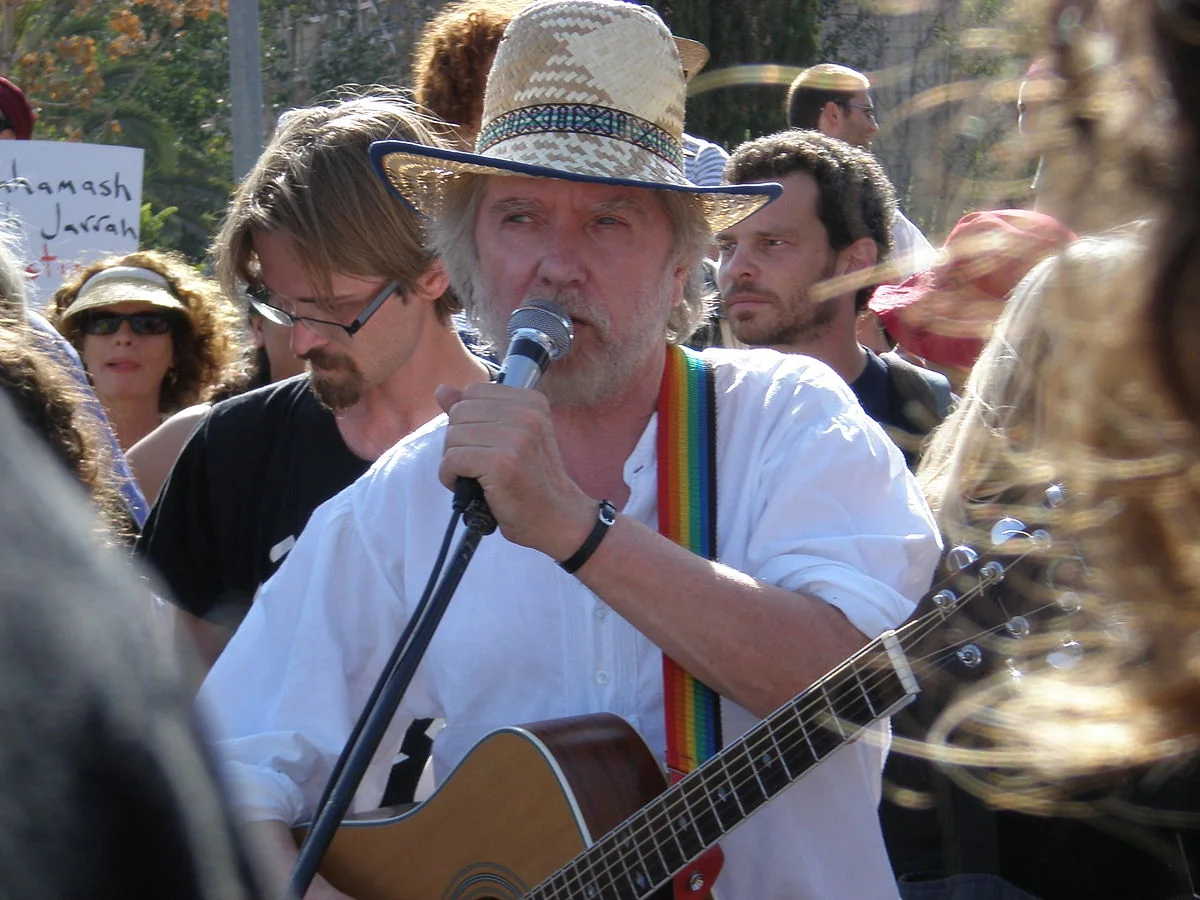
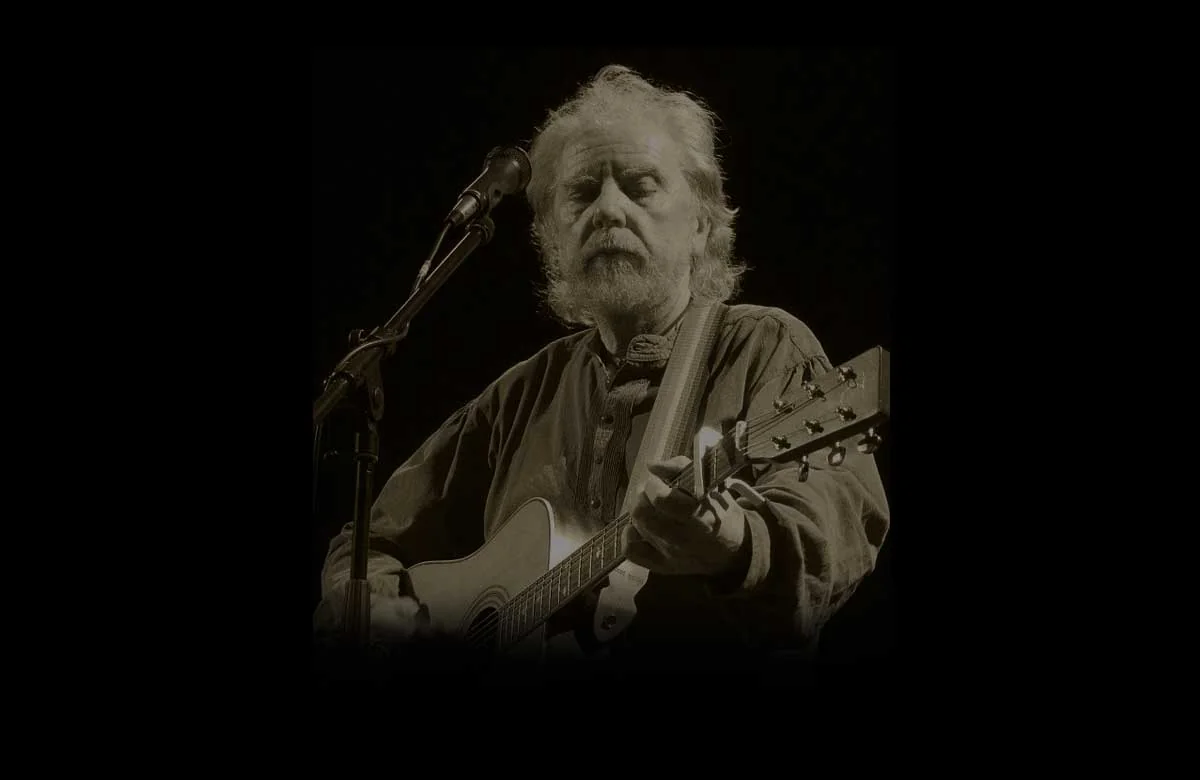
Tommy Sands uses songs, stories and conversation to bring people together across differences. His work reaches beyond the concert stage into schools, universities, community gatherings and public discussions.
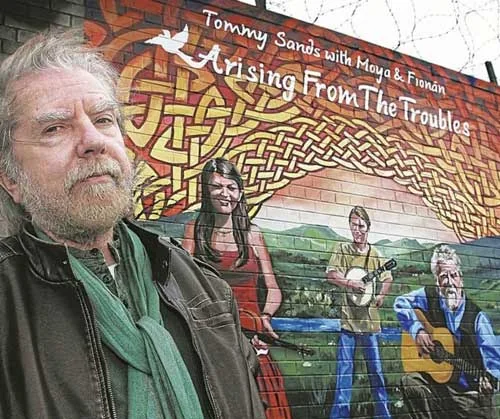
A voice for
common ground.
Bringing people together
through songs, stories
and conversation.
Rooted in the Irish bardic tradition, Tommy’s programmes bring traditional music and its history into the present. Song, poetry and storytelling offer a way to explore identity, listen to different experiences and open conversations about conflict and reconciliation.
This work grows from a long involvement in Northern Ireland’s peace process. During the Good Friday Agreement talks, he performed with children and Lambeg drummers in an encounter remembered by Seamus Mallon as a defining moment. His community work has also included songwriting with Protestant and Catholic schoolchildren and young people in detention in Reno, Nevada.
Artsawonder and the music of healing
Through Artsawonder, Tommy continues to explore how the arts can create opportunities for dialogue. The Artsahealing programme brings musicians together with people working in research, health and community life. Tommy contributed to its music and healing seminars at Fiddlers Green in 2022 and 2023, where presentations and audience stories explored music’s place in human connection.
The Music of Healing remains part of the Fiddlers Green Festival in Rostrevor. The 2026 programme named Tommy as host of an evening at An Cuan bringing songs and conversation together around community and reconciliation.
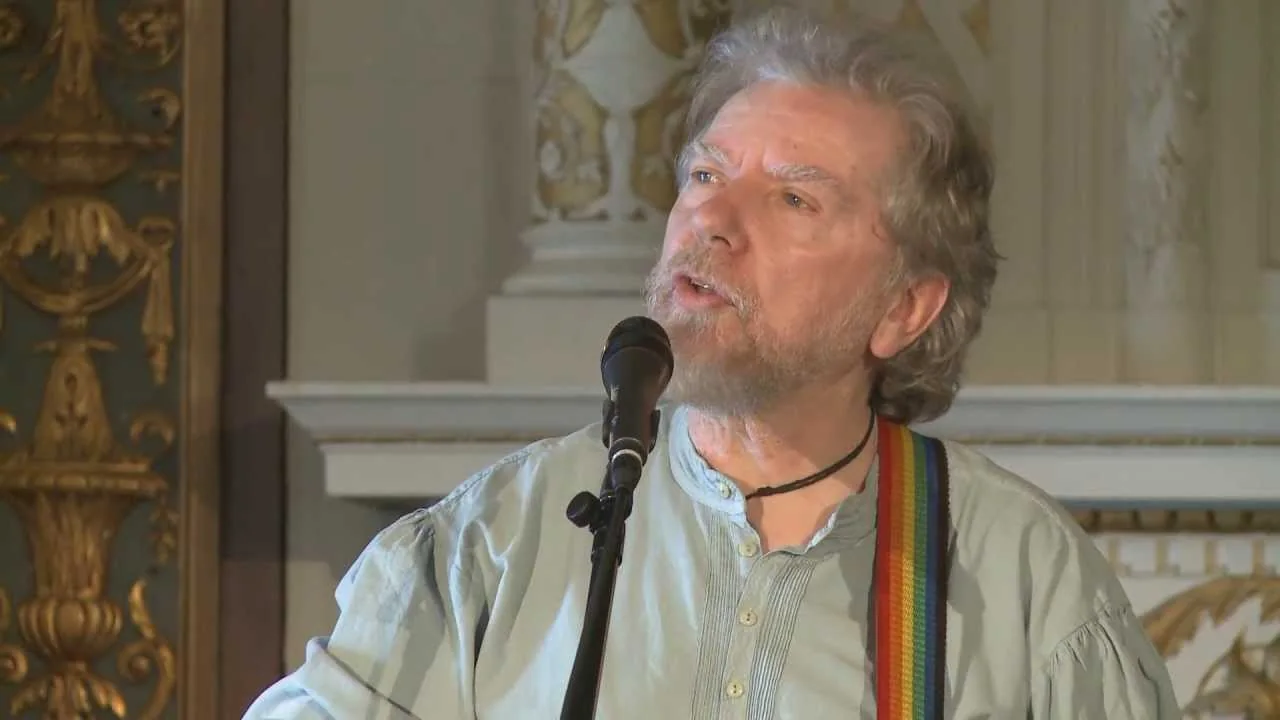
Music opens
the conversation.
Sharing experience.
Exploring peace.
Learning from one another.
In May 2026, Tommy brought music and stories from Ballad of a Songman to Harvard Kennedy School. A discussion moderated by Hugh O’Doherty explored conflict resolution and peacebuilding, followed by an opportunity for participants to make music together. The event formed part of a collaboration involving Harvard Medical School’s Arts and Humanities Initiative and Artsawonder.
Mentoring through music
Music Mends Minds’ winter 2025 newsletter named Tommy as a mentor for its collaboration with UCLA’s Schools of Music and Neuroscience. The initiative explored musical exchange and expression as tools for conflict resolution, connecting his experience of bringing people together through song with a wider conversation between music and research.
Passing on musical traditions is another strand of that work. Warren Wilson College’s 2024 Swannanoa Gathering programme listed Tommy on its advisory board, supporting a programme devoted to preserving and sharing folk traditions in North Carolina.
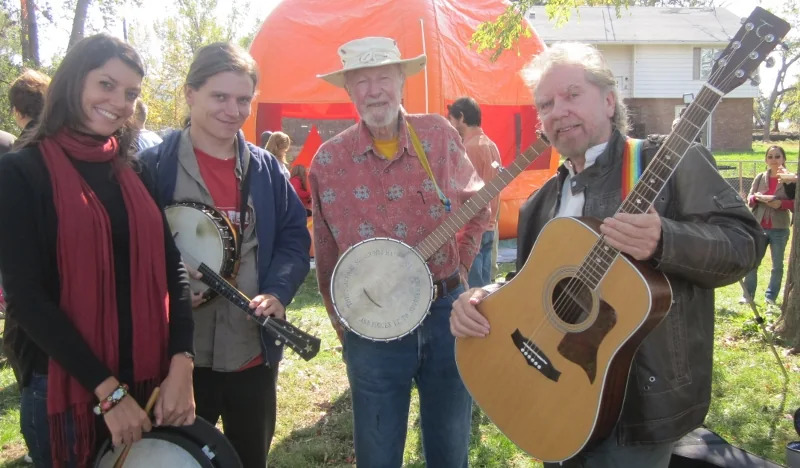
Different stories.
Shared humanity.
Songs for peace.
Conversations about rights
and belonging.
At Afri’s thirtieth Féile Bríde in 2023, Tommy contributed music to a gathering themed Darkness Dawning Light, alongside voices working for peace and justice. In 2025, an evening with Tommy and Bernadette Devlin McAliskey formed part of Wexford’s Frederick Douglass Civil Rights Festival, connecting the abolitionist’s legacy with contemporary questions of rights and community.
At Clonard Monastery in Belfast in February 2026, Tommy performed The Ballad of John Hume during a tribute to John and Pat Hume. Organised by the Hume Foundation and Clonard Peace Ministry, the evening included Mary McAleese in conversation with Jim Fitzpatrick about faith, conflict and the power of nonviolence.
Migration, identity and belonging
Tommy was announced as host of The Kinship of Difference, an Artsawonder public forum scheduled in Carlingford for 27 August 2026. Planned as the closing session of the D’Arcy McGee Summer School, its programme brought together migration, integration and community relations through discussion, music and poetry, with contributors from different cultural and community backgrounds.
Listen. Share.
Learn together.
Taking songs and stories into
schools, libraries and universities.
Tommy’s educational work combines performance with conversation about the Irish bardic tradition and the role of music in peaceful dialogue. His programmes have reached schools, libraries, museums and universities, adapting the setting to the people taking part.
Where the work happens
- Schools
- Libraries and museums
- Universities